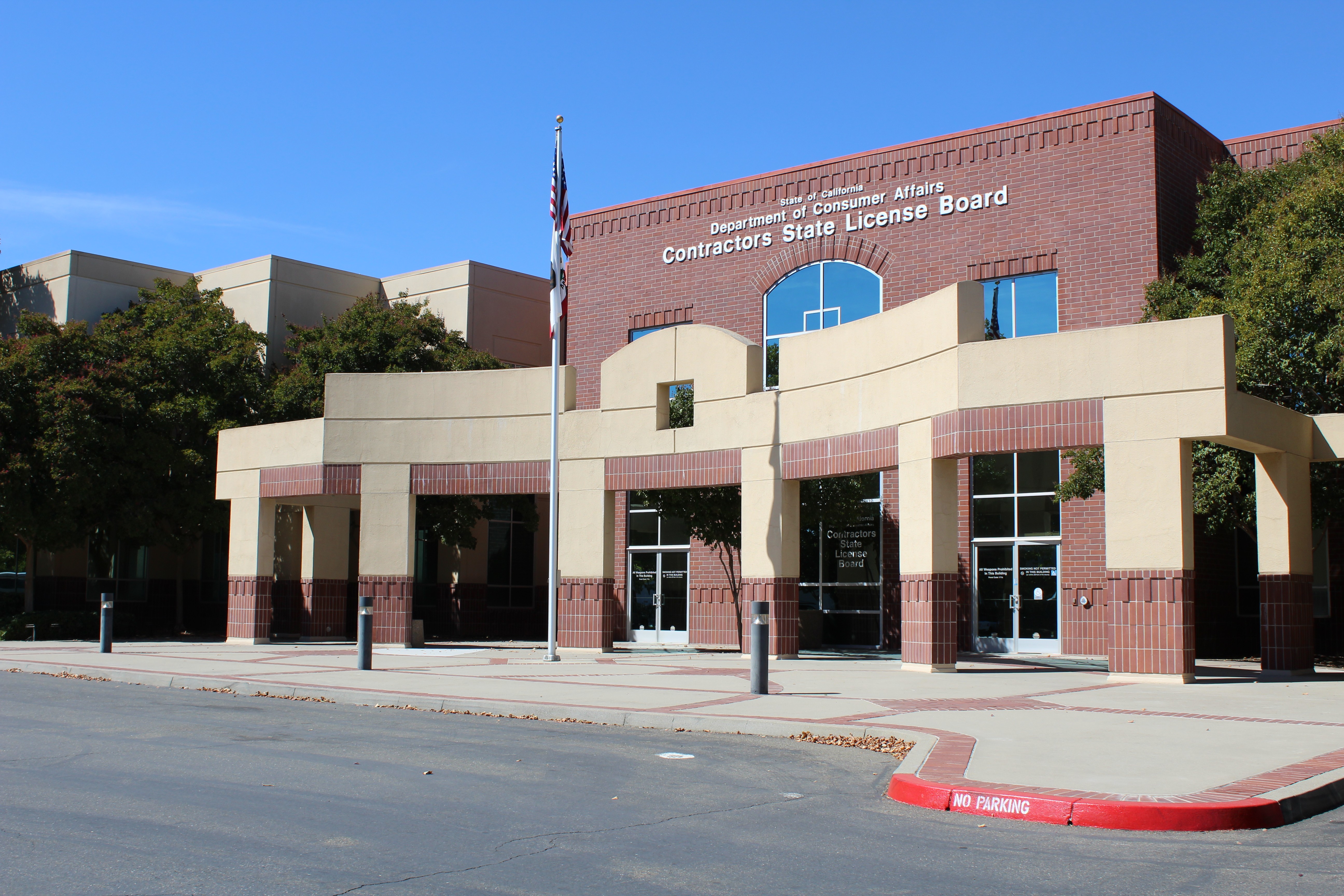
There are two kinds of solar reps in California: the ones a homeowner can look up on a state government website in fifteen seconds, and everyone else. In a market this burned by fly-by-night sales operations, that difference is no longer a technicality. It's the pitch.
What the HIS actually is
The Home Improvement Salesperson (HIS) registration is issued by the Contractors State License Board — the same state agency that licenses contractors. If you solicit or negotiate home improvement contracts in California on behalf of a licensed contractor — and residential solar contracts are home improvement contracts — the law expects you to be registered. Not the org. Not the installer. You, personally, with your own registration number tied to your name.
Plenty of reps have sold for years without one, which tells you how unevenly this was enforced in the boom years. Two things have changed. Enforcement attention on solar sales practices keeps climbing, because the state has a backlog of horror stories. And financing partners and installers have gotten strict about it, because their exposure runs through your conduct at the door. An unregistered rep is now a deal that can die in funding review — after you've done all the work.
The part almost nobody uses: it's verifiable
Here's what makes the HIS different from every line on your resume: a homeowner can check it. CSLB runs a public lookup — name or registration number in, status out. State-verified, not self-asserted.
Almost no rep uses this. Which is exactly why you should:
- Put the number in your follow-up text. "Here's my CSLB registration if you want to verify me before we talk again" — sent from your own phone, with the lookup link. Watch what that does to a skeptical spouse.
- Lead with it at the door in burned neighborhoods. Any territory that's been carpet-bombed by bad crews has homeowners with one finger on the door. "I'm registered with the state — you can check me before you open the screen" is a different opening than a pitch.
- Volunteer the verification path. The offer to be checked lands harder than the credential itself. Scammers don't invite scrutiny.
The free-agent angle
If you're a rep who moves — new org every season, chasing better redlines — the HIS is your portable asset. The registration belongs to you and travels with you; what changes is which licensed contractor you're associated with, and CSLB's process covers registering and updating those associations. A registered, verifiable, clean-record salesperson is exactly what a serious org wants to onboard, because you're the opposite of a compliance risk.
That cuts the other way too. When you're evaluating an org, ask how they handle HIS registration for their reps. An org that shrugs at it is telling you how they'll handle everything else — your commission disputes included. An org that checks it before you knock is protecting the same thing you are: deals that fund.
Getting it done
The mechanics are unglamorous: the CSLB application, a modest non-refundable fee (check CSLB's current application page for today's amount and forms), and processing time you should plan around rather than discover mid-onboarding. Do it before the season you need it, not during.
None of this is legal advice — registration requirements have edges and exemptions, and if your situation is unusual, ask CSLB or a lawyer, not a blog. But the strategic point doesn't need a lawyer: in a low-trust market, being verifiable by the state is a competitive weapon that costs less than a tank of gas, and most of your competition hasn't bothered.
Where GRID sits
On GRID, HIS verification is part of rep compliance — orgs on the platform can see that a rep's registration checks out against the state's data, because installers and financing partners increasingly demand exactly that. We built it in because the direction of this market is obvious: verified reps close, unverified reps explain.
Get registered. Then — unlike everyone else who got registered and filed it in a drawer — actually use it.
Selling solar in this market? Run your numbers with us.
GRID is the $0 operating platform for solar dealers — tools, training, commissions, e-sign, and installer pricing negotiated on pooled network volume. One 20-minute intro call. No pressure, no runaround.
Book the intro call →